
Dog Arthritis in Australia: Treatment Options and What They Cost
Dog arthritis treatment in Australia explained: spot stiffness early, manage weight & exercise, understand pain relief, injections, supplements & monthly costs.

Written by Bradley Brown
Founder & editor · Reviewed 2026-11-06
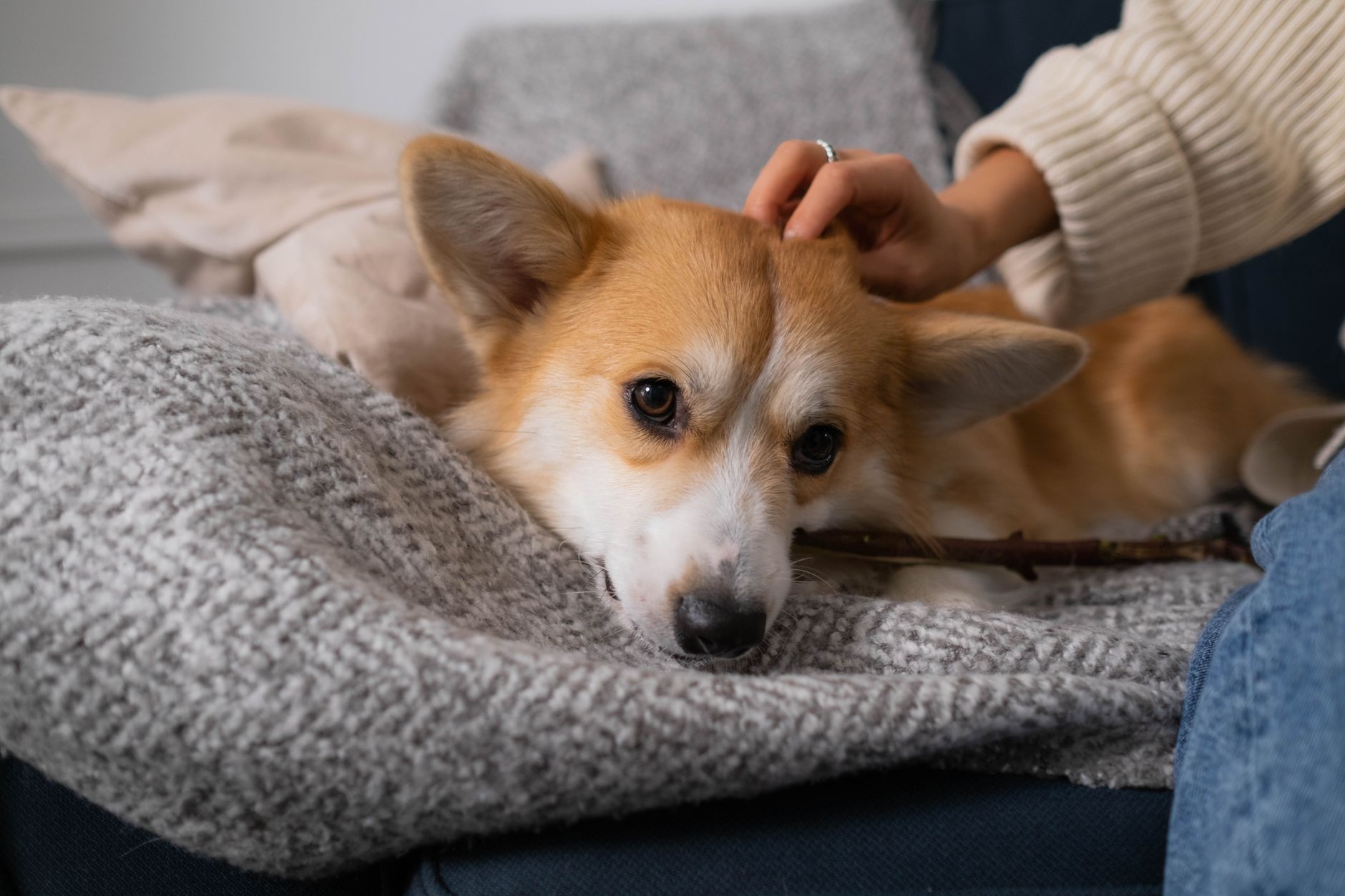
A quick note: this guide is general information, not veterinary advice. For anything urgent or specific to your dog, your vet is always the right call.
If You Only Do Five Things, Do These
- Book a vet check if your dog hesitates on stairs, is slow to rise, or licks a joint repeatedly — early diagnosis changes the whole outcome.
- Get your dog to a healthy weight. Even 10% excess body weight measurably worsens joint pain. This is the single highest-impact free intervention.
- Replace long walks with shorter, more frequent ones — 10–15 minutes, two to three times a day, on soft surfaces beats one punishing hour.
- Ask your vet about a multimodal pain plan — NSAIDs, joint injections, and physical therapy each work differently and stack well together.
- Choose supplements with actual evidence — omega-3 fish oil and green-lipped mussel have the strongest data; most others are marketing.
The Signs That Tell You It's Already Happening
Arthritis in dogs doesn't announce itself with a yelp. It sneaks in. The dog who used to vault onto the couch now puts his front paws up and waits. The dog who bolted for the lead now ambles over. Morning stiffness that eases after ten minutes of movement is textbook osteoarthritis.
Watch specifically for:
- Reluctance to use stairs or jump into the car
- Licking, chewing, or guarding a specific joint
- Muscle loss over the hindquarters (the dog is off-loading weight)
- Sleeping more, playing less — but only after physical activity
- Irritability when touched around the hips, elbows, or spine
Australian conditions add a wrinkle: cold, damp winters in Melbourne, Canberra, and highland areas genuinely worsen symptoms, while humid subtropical summers in Queensland can cause dogs to move less and stiffen more. Knowing your climate helps you predict bad weeks and plan around them.
What to do at the vet: Ask for X-rays of the suspected joints. Arthritis is diagnosed radiographically, not just by feel. A proper baseline X-ray also tells you how advanced the disease already is, which guides the aggressiveness of treatment.
Weight: The Lever Most Owners Underestimate
A 2022 study published in Frontiers in Veterinary Science confirmed what vets have known clinically for years: reducing body weight by 6–9% in overweight arthritic dogs produces a significant, measurable reduction in lameness scores — without any other intervention.
The mechanism is straightforward. Every kilogram of body weight puts roughly 2–3 kg of force through each joint during normal walking. A Labrador who is 4 kg overweight is grinding roughly 8–12 kg of extra load through already-damaged cartilage with every step.
Common mistake: Owners cut meals but forget treats and table scraps, which can account for 20–30% of a dog's daily calories. Count everything.
How to check at home: You should be able to feel your dog's ribs easily with light finger pressure, but not see them. If you have to press hard, that's excess weight. If you can see them from across the room, the dog is underweight. When in doubt, ask your vet for a body condition score (BCS) — it's a 1–9 scale, and 4–5 is ideal.
A veterinary nurse weight-loss consultation at most Australian clinics costs nothing extra or is bundled with annual health checks. Use it.
Exercise: Less Isn't More — Different Is
Complete rest is not the answer. Joints need movement to circulate synovial fluid and maintain the surrounding muscle that stabilises them. The goal is controlled, low-impact, consistent exercise rather than boom-bust weekend adventures.
What works:
- Short, leash-guided walks on grass, dirt, or sand (concrete and gravel amplify impact)
- Hydrotherapy — underwater treadmill or pool swimming — is the gold standard for arthritic dogs and widely available in Sydney, Melbourne, Brisbane, and most regional centres. Expect $60–$120 per session
- Gentle passive range-of-motion exercises (a vet physio can show you in one appointment)
What to avoid:
- Off-lead running on hard surfaces
- Fetch with sudden stops and direction changes
- Steps or ramps without non-slip matting
- Exercise immediately after waking — give the dog 10 minutes to warm up first
A certified canine rehabilitation therapist (look for the CCRT credential or members of the Australian Veterinary Association's physical rehabilitation network) can design a specific programme. An initial consultation typically runs $120–$200.
Pain Relief: What the Options Actually Are
This is where dog arthritis treatment in Australia has improved significantly over the past five years. You now have several evidence-based options, and they work best in combination.
NSAIDs (Anti-inflammatories)
Meloxicam (Metacam) and carprofen are the most commonly prescribed. They reduce inflammation and are effective for mild to moderate pain. Monthly cost: $40–$90 depending on dog size and brand.
Long-term NSAID use requires periodic blood and urine monitoring (every 6–12 months) to check liver and kidney function. This is not optional — it's standard care.
Common mistake: Giving human ibuprofen or naproxen. These are toxic to dogs. Never do this.
Monoclonal Antibody Therapy (Librela)
Bedinvetmab (Librela) is a monthly injection that targets nerve growth factor, one of the main pain signalling molecules in osteoarthritis. It became available in Australia in 2023–2024. It's not a painkiller in the traditional sense — it interrupts the pain signal at its source.
Monthly injection at the vet clinic: $120–$180 per month. Some dogs respond dramatically within two to four weeks; others need two to three months. It's particularly useful for dogs who can't tolerate NSAIDs due to kidney or liver concerns.
Intra-articular Injections
For dogs with severe single-joint arthritis (commonly hip or elbow), your vet may recommend injecting directly into the joint. Options include:
- Cortisone (corticosteroids): Fast-acting but used sparingly — repeated injections can degrade cartilage over time
- Platelet-rich plasma (PRP): Derived from the dog's own blood; emerging evidence, some clinics offering it
- Polyglycan or hyaluronic acid: Lubricates the joint; evidence is moderate
Expect $200–$600 per joint per session for specialist-performed injections.
Supplements: The Evidence Scorecard
| Supplement | Evidence Level | Reasonable Dose | Monthly Cost (AUD) |
|---|---|---|---|
| Omega-3 fish oil (EPA/DHA) | Good — reduces inflammatory mediators | 20–50 mg EPA+DHA/kg/day | $15–$40 |
| Green-lipped mussel (GLM) | Moderate — several controlled trials | Product-dependent | $20–$50 |
| Glucosamine + chondroitin | Weak — human data doesn't translate well to dogs | Varies | $20–$60 |
| Turmeric/curcumin | Very weak — poor bioavailability in dogs | Not established | $10–$30 |
| Boswellia | Early/promising — limited canine data | Varies | $15–$40 |
The honest summary: omega-3s and GLM are worth trialling for 6–8 weeks. If you see no change in mobility or stiffness, don't keep spending money. The others have insufficient canine-specific evidence to recommend strongly.
What a Realistic Monthly Budget Looks Like
| Care Level | What's Included | Estimated Monthly Cost (AUD) |
|---|---|---|
| Conservative (mild arthritis) | NSAID + omega-3 supplement + vet check-ups | $60–$120 |
| Moderate (moderate arthritis) | NSAID + GLM supplement + 2 hydrotherapy sessions | $180–$280 |
| Comprehensive (moderate-severe) | Librela injection + physiotherapy + supplements | $350–$550 |
| Specialist/severe | Specialist consultation + intra-articular injections + all of the above | $600–$1,000+ |
Pet insurance can offset ongoing costs significantly — check whether your policy covers chronic conditions and whether arthritis requires declaration at the time of purchase. Many Australian insurers exclude pre-existing conditions, so early diagnosis before you've claimed anything is worth discussing with your insurer.
Week by Week: What to Expect
Weeks 1–2: If starting an NSAID, most owners notice meaningful improvement within 5–14 days. Don't judge the full effect before two weeks. Begin weight management and switch to shorter, softer-surface walks now.
Weeks 3–4: A body condition assessment will tell you if the diet change is working. You should start seeing slightly more willingness to move in the morning. If you've started Librela, the effect may begin around now — but can take longer.
Weeks 6–8: Reassess with your vet. If a supplement is part of the plan, this is the minimum time to evaluate it. Adjust exercise duration based on how the dog is coping the following day — next-day stiffness is your feedback signal.
Months 3–6: Most multimodal plans hit their ceiling benefit around this point. This is when your vet may recommend X-rays to monitor progression and decide whether joint injections or specialist referral are warranted.
Ongoing: Arthritis is managed, not cured. The goal is the longest possible period of comfortable, active life. Dogs managed well from early diagnosis routinely maintain good quality of life for years. That's a realistic and achievable outcome — it just requires consistency over flash.
Frequently asked questions
What's the best painkiller for a dog with arthritis in Australia?
NSAIDs like meloxicam (Metacam) are the most commonly prescribed first-line option and work well for most dogs. Librela (bedinvetmab), a monthly injection available in Australia since 2023–2024, is an effective alternative for dogs who can't tolerate NSAIDs. Never give human pain medications like ibuprofen — they are toxic to dogs.
How much does it cost to treat dog arthritis in Australia?
Costs vary widely depending on severity. A basic NSAID and supplement plan runs roughly $60–$120 per month. A comprehensive programme including Librela injections and hydrotherapy can reach $350–$550 per month. Severe cases requiring specialist joint injections can exceed $1,000 in a given month. Pet insurance with chronic condition cover can help offset ongoing costs.
Can a dog with arthritis still go for walks?
Yes — and they should. The key is replacing one long walk with two or three shorter walks of 10–15 minutes on soft surfaces like grass or sand. Complete rest weakens the muscles that support arthritic joints and makes things worse. Avoid off-lead running, fetch, and hard surfaces.
Do green-lipped mussel supplements actually work for dogs?
Green-lipped mussel (GLM) has moderate supporting evidence from several controlled trials and is one of the better-evidenced supplements for canine arthritis. It contains omega-3 fatty acids and glycosaminoglycans that may reduce inflammation. Give it a consistent 6–8 week trial before deciding if it's helping your dog.
What is Librela and is it available in Australia?
Librela (bedinvetmab) is a monthly injectable monoclonal antibody that targets nerve growth factor to interrupt pain signalling in osteoarthritis — rather than masking pain like a traditional painkiller. It became available in Australia in 2023–2024 and is particularly useful for dogs who can't take anti-inflammatories long-term. It costs approximately $120–$180 per monthly injection at the vet clinic.
At what age do dogs typically develop arthritis in Australia?
Osteoarthritis can develop from middle age onwards — as early as 5–6 years in large and giant breeds, and 8–9 years in smaller dogs. Dogs with prior joint injuries, hip or elbow dysplasia, or obesity are at higher risk and may develop it earlier. Early signs like morning stiffness or reluctance to jump are worth investigating promptly rather than attributing to 'just getting old'.
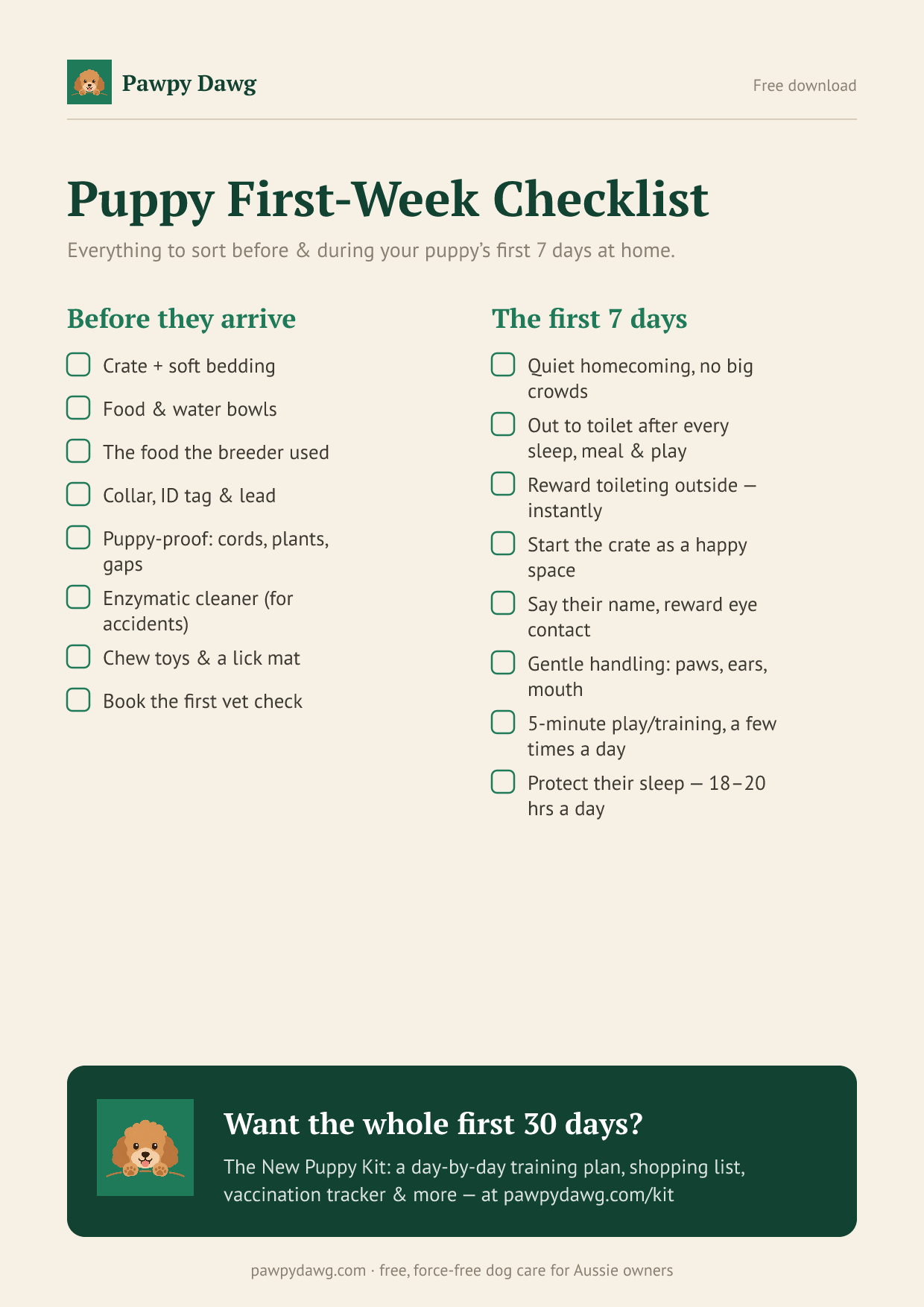
Free printable
Free: the Puppy First-Week Checklist
Everything to sort before and during your puppy's first 7 days home — a printable one-pager. Plus the occasional genuinely useful dog tip. No spam, unsubscribe anytime.
Related guides

Is Pet Insurance Worth It in Australia? The Honest Maths
Is pet insurance worth it in Australia? We crunch real premiums vs real vet bills — cruciate surgery, snake bite & more — so you can decide with confidence.
Read the guide →
How Much a Dog Really Costs Per Year in Australia (2026 Breakdown)
How much does a dog cost per year in Australia? 2026 line-item breakdown covering food, vet, insurance, grooming & the costs first-timers always miss.
Read the guide →
Dog Vaccination Schedule in Australia: What, When and What It Costs
Confused by C3, C5 and kennel cough? Here's your complete dog vaccination schedule Australia cost guide — puppy timelines, adult boosters & typical AUD prices.
Read the guide →