
Heatstroke in Dogs: An Australian Summer Survival Guide
Heatstroke in dogs is a real summer killer in Australia. Learn the warning signs, the pavement test, and exactly what to do before you reach the vet.

Written by Bradley Brown
Founder & editor · Reviewed 2026-11-05
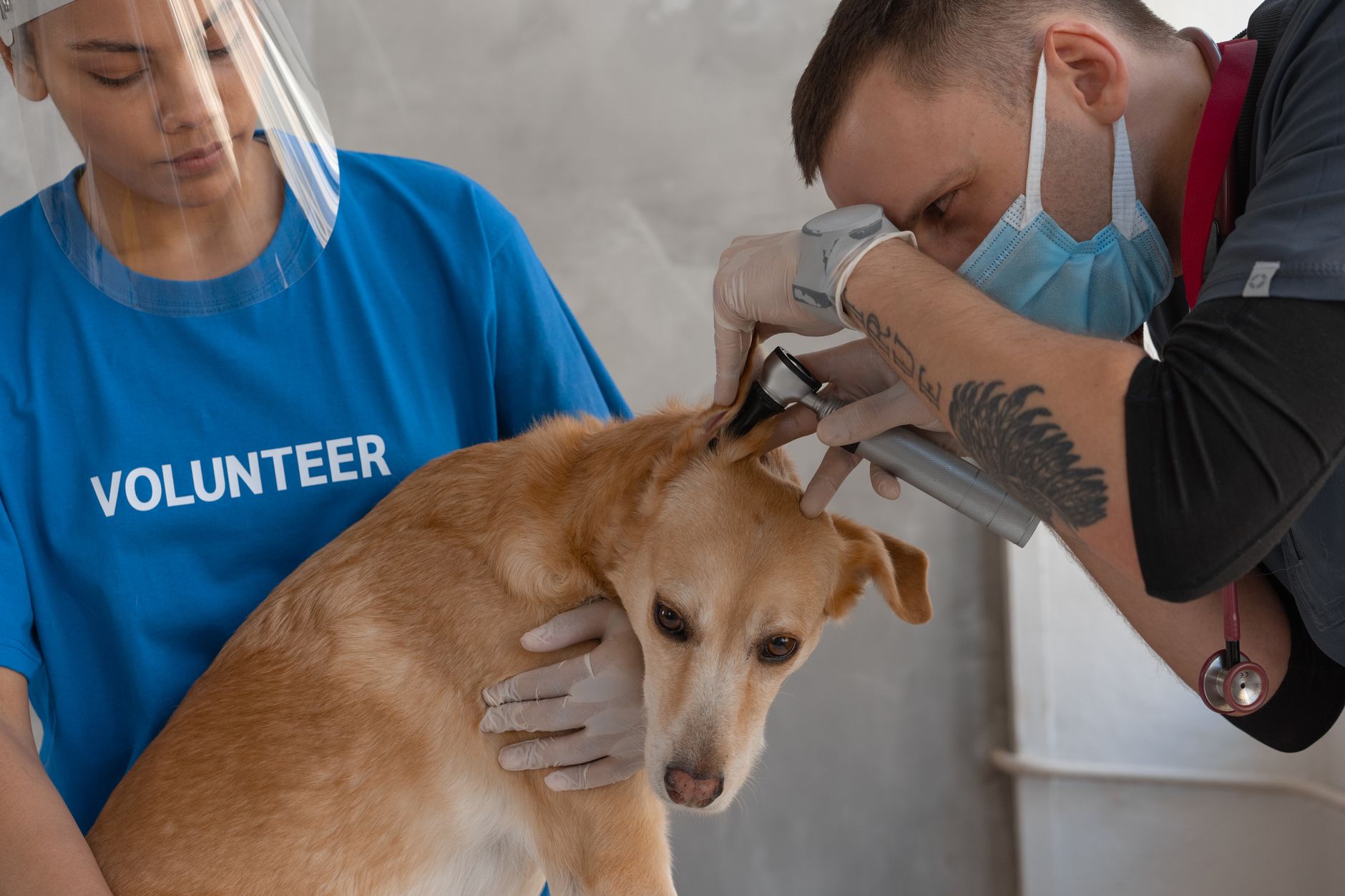
A quick note: this guide is general information, not veterinary advice. For anything urgent or specific to your dog, your vet is always the right call.
Australian summers are brutal, and every year dogs die from heatstroke that was entirely preventable. If you've ever felt a wave of panic watching your dog pant heavily on a hot day — wondering whether you should be doing something right now — that instinct is correct. Here's what you actually need to know.
Try This Before Your Next Walk (The Five-Second Pavement Test)
Press the back of your hand flat on the footpath and hold it there for five seconds. If it's too hot for your hand, it's too hot for your dog's paws — and if the ground is cooking their feet, it's radiating heat straight back up into their body.
In Sydney, Melbourne, and Brisbane, footpath surface temperatures regularly hit 60–70 °C on a 35 °C day. That's the kind of surface that causes burns in under a minute. If the pavement fails the test, skip the walk or move it to grass. That's the quick win: do the test every single time, without exception.
Which Dogs Are Most at Risk
Any dog can get heatstroke, but some are genuinely in a different risk category. Know where yours sits.
| Risk Level | Dogs in This Group |
|---|---|
| Very High | Brachycephalic breeds (Bulldogs, Pugs, French Bulldogs, Shih Tzus, Boxers) |
| Very High | Obese dogs |
| High | Senior dogs (7+ years), puppies under 6 months |
| High | Dogs with heart or respiratory conditions |
| High | Thick double-coated breeds (Huskies, Malamutes, Chows) |
| Moderate–High | Dark-coated dogs in direct sun |
| Moderate | Healthy, fit adult dogs of most other breeds |
Brachycephalic dogs — the flat-faced ones — are top of the list because their anatomy physically limits how efficiently they can pant. Panting is a dog's primary cooling mechanism. When that mechanism is already compromised, heat builds fast.
Early Warning Signs You Must Recognise
Heatstroke doesn't always look dramatic at first. Watch for:
- Heavy, rapid panting that doesn't settle when the dog rests in shade
- Excessive drooling — thick, ropey saliva
- Glazed or anxious eyes
- Bright red or pale gums
- Lethargy or stumbling — the dog seems "drunk"
- Vomiting or diarrhoea
- Collapse or seizures (this is a critical emergency — call ahead to the vet immediately)
A dog that's just hot will pant and slow down, then recover quickly in a cool spot with water. A dog heading into heatstroke will not recover — they'll keep deteriorating. If you're unsure, treat it as an emergency.
What To Do on the Way to the Vet
If you believe your dog has heatstroke, call the vet clinic while you start cooling — do not wait to see if the dog "comes good." Every minute at high body temperature causes organ damage.
Do these things immediately:
- Move the dog to shade or air conditioning straight away.
- Apply cool (not ice-cold) water to the dog's body — especially the neck, armpits, groin, and paw pads. Lukewarm water is ideal; ice or ice-cold water can cause blood vessels near the skin to constrict, which actually slows heat loss.
- Use a fan if one is available, or drive with the air conditioning on full during transport.
- Offer small amounts of cool water to drink if the dog is conscious and able to swallow. Don't force it.
- Wet towels on the coat are fine, but don't wrap the dog — covering traps heat.
- Keep cooling throughout the drive. Don't stop once you're in the car.
The vet will take over with IV fluids and monitoring for secondary complications like kidney failure, which can develop hours after the dog appears to have recovered. This is why a vet visit is non-negotiable even if your dog seems to stabilise.
Planning Walks Around an Aussie Summer
Rethinking walk timing is the single most effective prevention strategy, and it takes zero extra effort once it becomes habit.
Walk before 8 am or after 7 pm. In most Australian cities during summer, the window between 10 am and 5 pm is genuinely dangerous for dogs. If your schedule makes early-morning walks impossible, an evening walk after the ground has had time to cool is a good alternative — but still do the pavement test.
Shorten the walk, not just the time. A slow 20-minute trudge in 32 °C heat with humidity is harder on a dog than a brisk 15-minute walk in the cool of early morning. Distance and pace matter as much as the clock.
Carry water. A collapsible silicone bowl and a bottle of water weighs almost nothing in a bag. Dogs don't sweat; they can't self-regulate on a dry walk the way a human might manage.
Watch for signs during the walk, not just after. If your dog starts lagging, seeking shade, or panting abnormally heavily, the walk is over. Turn around immediately — pushing on is when things go wrong.
Heatstroke in dogs across Australia peaks in December through February, but warm spring days catch owners off-guard just as often. The good news: none of this requires expensive equipment or hours of your time. It requires a five-second hand test, a shifted walk schedule, and knowing what to look for. That's genuinely within reach on any busy day.
Frequently asked questions
How hot is too hot to walk my dog in Australia?
As a general rule, if the air temperature is above 32 °C, most dogs — especially brachycephalic or elderly ones — should not be walked on exposed footpaths during the day. Always do the five-second pavement test: press your hand on the ground for five seconds, and if it's uncomfortable for you, it will burn your dog's paws. Stick to early morning or late evening walks during Australian summer.
What are the first signs of heatstroke in a dog?
Early signs include rapid, heavy panting that doesn't ease in the shade, excessive drooling with thick or ropey saliva, and glazed or anxious-looking eyes. Gums may turn bright red. If the dog becomes lethargic, wobbly, or starts vomiting, these are signs of worsening heatstroke and you should get to a vet immediately.
Should I use ice or cold water to cool down a dog with heatstroke?
Use cool or lukewarm water, not ice or ice-cold water. Ice-cold water causes blood vessels near the skin to constrict, which paradoxically slows the release of heat from the body. Apply cool water to the neck, armpits, groin, and paw pads, use a fan if available, and keep cooling the dog during the drive to the vet.
Can a dog recover from heatstroke at home without seeing a vet?
No — a vet visit is essential even if the dog appears to stabilise after cooling. Heatstroke can cause internal organ damage, particularly to the kidneys, that isn't visible from the outside and can develop hours after the dog seems to recover. A vet will assess organ function and provide IV fluids if needed.
Are some dog breeds more likely to get heatstroke in Australia?
Yes. Flat-faced (brachycephalic) breeds like Bulldogs, French Bulldogs, Pugs, and Shih Tzus are at the highest risk because their anatomy limits how effectively they can pant to cool down. Obese dogs, senior dogs, puppies, and thick double-coated breeds like Huskies are also at significantly elevated risk during Australian summer heat.
How long can I leave my dog in a parked car in Australia?
You should never leave a dog in a parked car in Australian summer conditions, even with windows cracked. On a 29 °C day, the interior of a car can reach over 50 °C within minutes. In most Australian states it is also illegal to leave an animal in conditions likely to cause harm, and bystanders are legally permitted to intervene in certain circumstances.
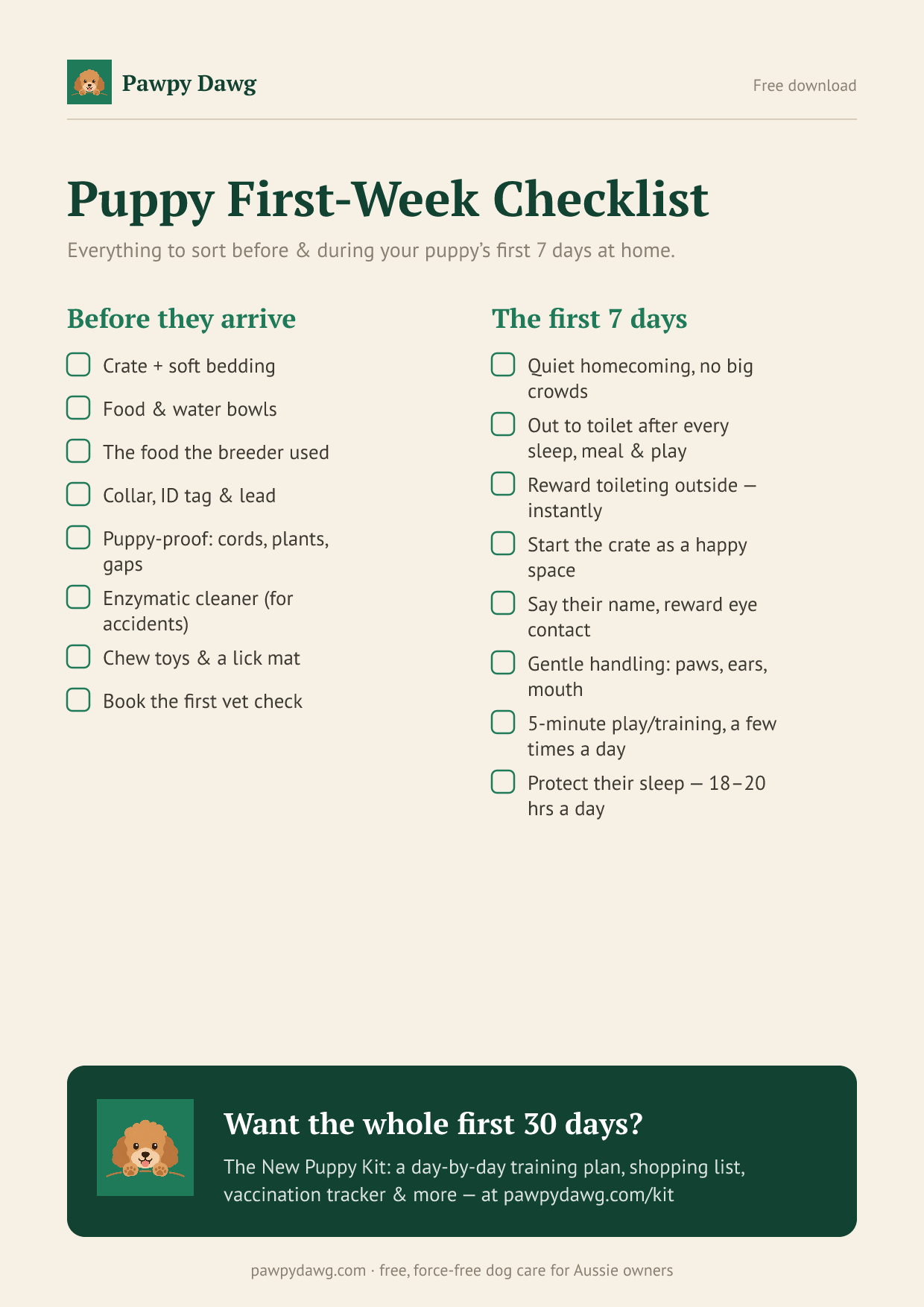
Free printable
Free: the Puppy First-Week Checklist
Everything to sort before and during your puppy's first 7 days home — a printable one-pager. Plus the occasional genuinely useful dog tip. No spam, unsubscribe anytime.
Related guides

Is Pet Insurance Worth It in Australia? The Honest Maths
Is pet insurance worth it in Australia? We crunch real premiums vs real vet bills — cruciate surgery, snake bite & more — so you can decide with confidence.
Read the guide →
How Much a Dog Really Costs Per Year in Australia (2026 Breakdown)
How much does a dog cost per year in Australia? 2026 line-item breakdown covering food, vet, insurance, grooming & the costs first-timers always miss.
Read the guide →
Dog Vaccination Schedule in Australia: What, When and What It Costs
Confused by C3, C5 and kennel cough? Here's your complete dog vaccination schedule Australia cost guide — puppy timelines, adult boosters & typical AUD prices.
Read the guide →