
Bathing Your Dog at Home: Shampoos, Frequency and Mistakes to Avoid
Learn how to bath a dog at home without the chaos — right shampoo for sensitive skin, coat-specific frequency, stress-free routine & drying tips for thick coats.

Written by Bradley Brown
Founder & editor · Reviewed 2026-11-13
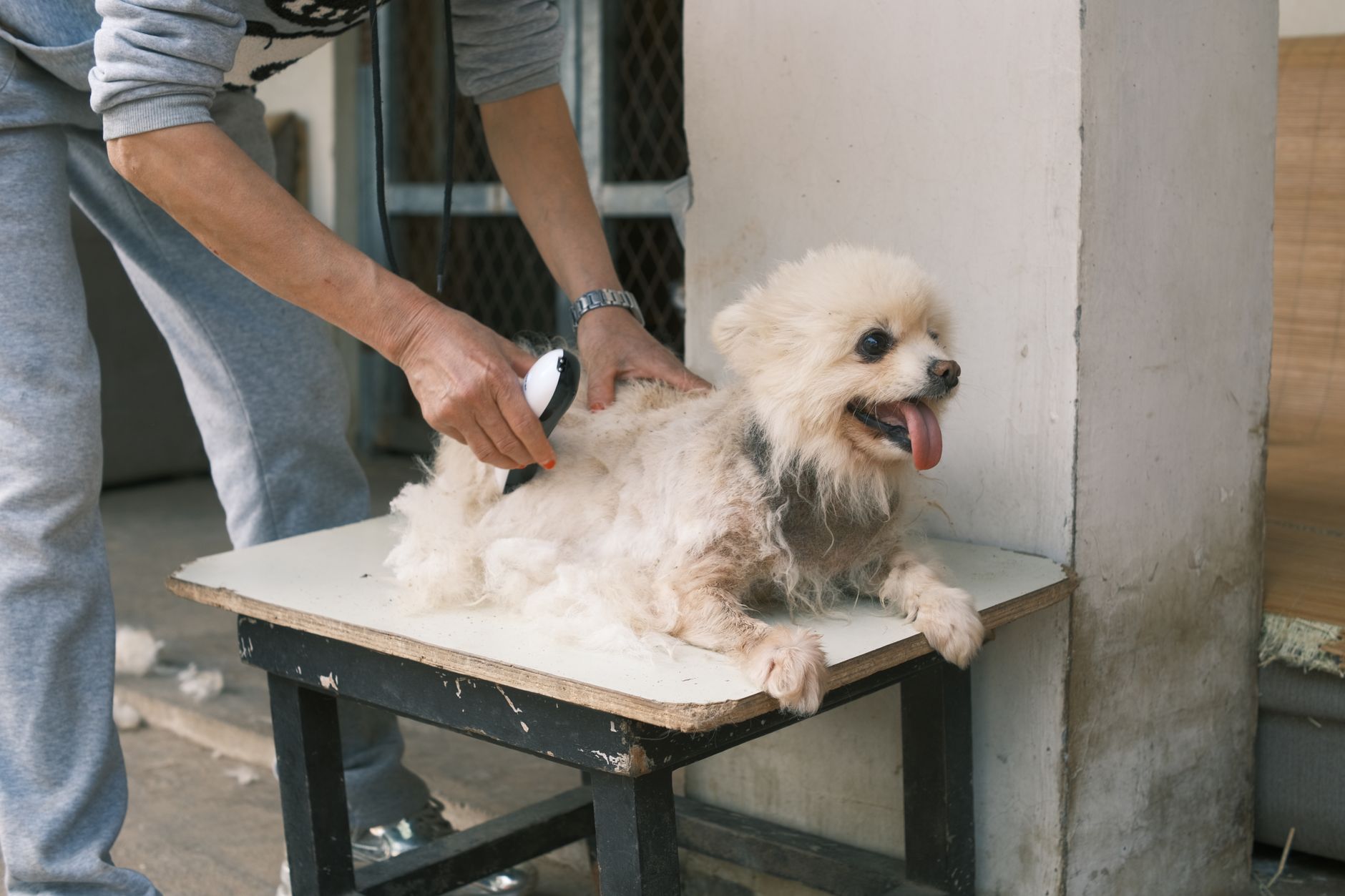
Mia, a three-year-old Golden Retriever from the Mornington Peninsula, had turned bath time into a full-contact sport. Her owner, Dave, had tried the laundry tub, the backyard hose, and eventually the ensuite shower — all ending with a soaked ceiling, a bolting dog, and Dave questioning every life choice. The dog wasn't broken. Dave just hadn't been shown a system that works.
What's Actually Going Wrong (Hint: It's Not the Dog)
Most bath-time disasters come down to two things: the wrong setup and inconsistent exposure. Dogs don't hate water by nature — they hate unpredictability. A sudden jet of cold water, a slippery surface, being cornered — these things trigger a flight response that gets stronger every time it goes badly. By the time Dave tried the shower, Mia had already built a solid negative association with anything resembling a bath routine.
The fix isn't a firmer grip. It's making the whole experience boring.
How Often Does Your Dog Actually Need a Bath?
This depends almost entirely on coat type, and many owners bathe far more often than necessary — which strips the skin of natural oils and causes the flakiness and itching they were trying to fix.
Short, smooth coats (Beagles, Whippets, Staffordshire Bull Terriers): Every 6–8 weeks, unless they've rolled in something. These coats are largely self-cleaning. A wipe-down with a damp chamois between baths is usually enough.
Double coats (Golden Retrievers like Mia, Border Collies, Huskies): Every 6–8 weeks as a baseline. More frequent bathing can damage the undercoat's insulating properties. During heavy shedding season, a bath followed by a good blow-dry and brush-out is genuinely useful for loosening dead undercoat.
Curly and low-shedding coats (Poodles, Labradoodles, Spoodles): Every 4–6 weeks. These coats mat quickly when dirty or damp, so bathing and drying properly is more critical here — not optional.
Wrinkled or skin-fold breeds (Bulldogs, Pugs, Shar Peis): The folds need wiping every few days with a damp cloth, but full baths every 4–6 weeks. Trapped moisture in folds causes yeast and bacterial infections faster than you'd expect in Australia's humidity.
Working or outdoor dogs: Circumstance over schedule. Mud and salt water warrant a rinse; otherwise, stick to the baseline for their coat type.
If your dog smells fine, isn't itchy, and their coat looks healthy — don't bath them. "It's been a month" isn't a reason on its own.
Picking a Shampoo That Won't Make Things Worse
The pet shampoo aisle is loud and confusing. Here's what actually matters.
pH matters more than fragrance. Dog skin sits around pH 6.2–7.4; human skin around 4.5–5.5. Human shampoo — including baby shampoo — disrupts a dog's acid mantle and should be avoided. Use a shampoo formulated specifically for dogs.
For sensitive or itchy skin, look for products with colloidal oatmeal or aloe vera and no artificial fragrance. In Australia, brands like Aloveen (oatmeal-based, widely available at Woolworths and pet stores) are a solid starting point for dogs with mild skin sensitivity. If your dog has a diagnosed skin condition, your vet may recommend a medicated shampoo — chlorhexidine-based for bacterial issues, or ketoconazole-based for fungal problems. Don't use medicated shampoo without a diagnosis; it's not "just in case" insurance.
Avoid anything with tea tree oil at meaningful concentrations — it's genuinely toxic to dogs if licked or absorbed in quantity, and plenty of Australian owners still reach for it thinking it's natural and safe.
For double-coated breeds like Mia, a detangling conditioner after shampooing makes the brush-out easier and reduces static — worth it for the amount of coat you're dealing with.
Roughly $15–$30 AUD will get you a quality 500ml dog shampoo that lasts several baths. You don't need anything fancier.
A Stress-Free Routine That Takes About 10 Minutes
This is the system Dave used to get Mia from "shower ambush" to "mildly inconvenienced participant" in about three weeks.
Before bath day, do five minutes of desensitisation. Run the water without putting the dog in. Lead Mia to the shower, give her a treat, let her leave. Repeat over several days. The goal is neutral — not enthusiastic, just not panicked.
On bath day:
- Brush first. Always brush before wetting a double or curly coat — wet mats tighten and become nearly impossible to remove without cutting.
- Use a non-slip mat. A $5 rubber bath mat from Kmart removes the main trigger for scrambling. Slipping is terrifying; not slipping is immediately calming.
- Water temperature: lukewarm. Test it on your wrist. Cold water is startling; hot water is dangerous. Lukewarm is boring, which is exactly what you want.
- Wet coat thoroughly before applying shampoo. Dense double coats like Mia's take longer than you think to saturate. Work from neck to tail.
- Lather away from the face first. Do the face last with a damp face washer — no nozzle near the eyes or ears.
- Rinse until the water runs completely clear. Shampoo residue left in the coat is a leading cause of post-bath itching. It takes longer than feels necessary.
- Reward during, not just after. A lick mat stuck to the wall with a smear of peanut butter (xylitol-free — check the label) keeps a dog's brain occupied and builds a genuinely positive association.
Drying Thick Coats Without Creating a Bigger Problem
Letting a double-coated dog air-dry sounds easy, but a fully saturated coat can take 12+ hours to dry completely at the skin level. That warm, damp layer against the skin invites hotspots — localised, painful skin infections that are extremely common in Australian Goldens and Labradors over summer.
Towel-dry first, pressing rather than rubbing (rubbing creates tangles). Then use a hairdryer on a cool or low-warm setting, keeping it moving — never holding it in one spot. A pet-specific dryer or a standard human dryer both work; the key is airflow, not heat.
Brush while drying. It separates the coat, speeds drying dramatically, and removes the loose undercoat that would otherwise mat down as it dries. For Mia, this step — annoying as it sounds — is what made the difference between a bath that ended well and one that caused a week of scratching.
If your dog has persistent skin issues despite regular bathing with an appropriate shampoo, that's a conversation for your vet rather than a shampoo-aisle experiment. Recurrent skin infections, non-stop scratching, or sores that don't resolve warrant a proper diagnosis — allergies, mange, and hormonal conditions all mimic "dirty dog" symptoms and won't respond to better bath technique.
By week three, Dave had a Mia who walked calmly into the shower, stood on her mat, and demolished a lick mat while he worked through her coat. Not enthusiastic — just unbothered. That's the goal.
As an Amazon Associate we earn from qualifying purchases.
Frequently asked questions
Can I use human shampoo to bath my dog at home if I run out of dog shampoo?
It's best avoided, even once. Human shampoo — including baby shampoo — has a much lower pH than dog skin requires, which disrupts the skin's protective barrier and can cause dryness, flaking, and irritation. A plain water rinse is a better emergency option than human shampoo.
My dog smells bad again two days after a bath — what's going on?
That 'wet dog' smell returning quickly is usually a sign of a yeast or bacterial overgrowth on the skin rather than simply being dirty. It's also possible shampoo wasn't fully rinsed out, or the coat wasn't dried properly. If it's a persistent pattern, see your vet — it's often a treatable underlying skin condition.
How do I stop my dog from shaking water everywhere mid-bath?
You can't stop the shake reflex entirely — it's involuntary. Keep one hand gently resting on your dog's shoulders during the rinse phase, which often delays the shake until you're ready. Having a towel within arm's reach to drape over them the moment they're out of the water helps contain most of the spray.
Is it safe to get water in my dog's ears during a bath?
Water in the ear canal can contribute to ear infections, particularly in floppy-eared breeds like Cocker Spaniels and Labradors. Place a loose cotton ball at the entrance to each ear before bathing (don't push it in) and use a damp face washer on the head rather than a direct water stream. Remove the cotton balls immediately after.
How often should I bath a puppy?
Puppies can be bathed from around 8 weeks of age using a mild, puppy-specific shampoo. Once every 4–6 weeks is plenty unless they've gotten into something. More importantly, start early — short, positive bath experiences at a young age are the single best way to avoid a lifetime of bath-time drama.
My dog's skin looks red and irritated after every bath — should I switch shampoos?
Possibly, but rinse technique is worth checking first — residual shampoo is a very common cause of post-bath redness. Try rinsing for twice as long as you think is necessary. If the irritation persists with a fragrance-free, oatmeal-based shampoo and thorough rinsing, talk to your vet about whether an underlying skin allergy or sensitivity is the real issue.
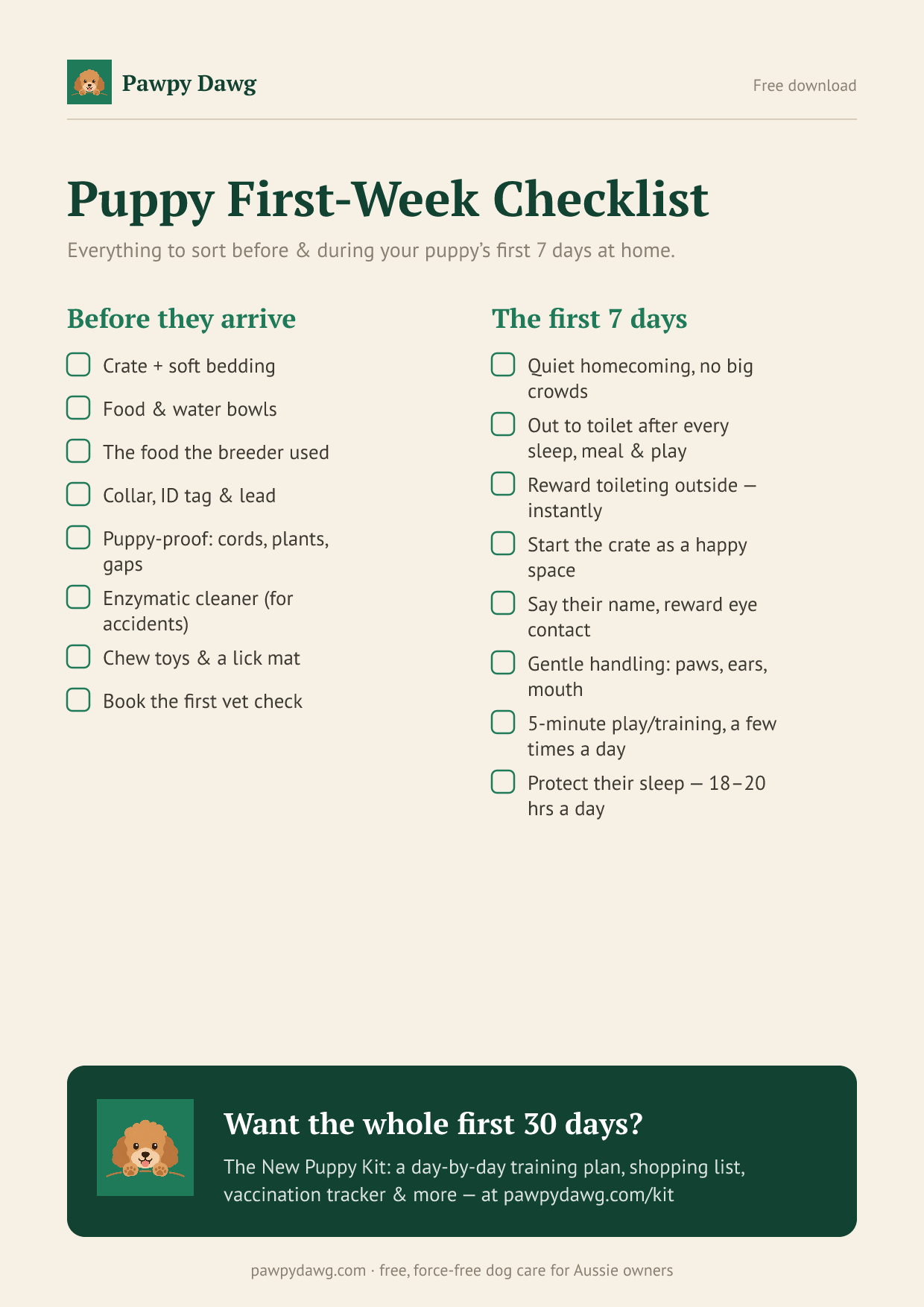
Free printable
Free: the Puppy First-Week Checklist
Everything to sort before and during your puppy's first 7 days home — a printable one-pager. Plus the occasional genuinely useful dog tip. No spam, unsubscribe anytime.
Related guides

Is Pet Insurance Worth It in Australia? The Honest Maths
Is pet insurance worth it in Australia? We crunch real premiums vs real vet bills — cruciate surgery, snake bite & more — so you can decide with confidence.
Read the guide →
How Much a Dog Really Costs Per Year in Australia (2026 Breakdown)
How much does a dog cost per year in Australia? 2026 line-item breakdown covering food, vet, insurance, grooming & the costs first-timers always miss.
Read the guide →
Dog Vaccination Schedule in Australia: What, When and What It Costs
Confused by C3, C5 and kennel cough? Here's your complete dog vaccination schedule Australia cost guide — puppy timelines, adult boosters & typical AUD prices.
Read the guide →