
Toys That Survive Heavy Chewers: A Buyer's Guide for Australian Owners
Find dog toys for heavy chewers that actually last. We cover the safest materials, what to avoid, rotation tricks, and getting real value in Australia.

Written by Bradley Brown
Founder & editor · Reviewed 2026-11-08
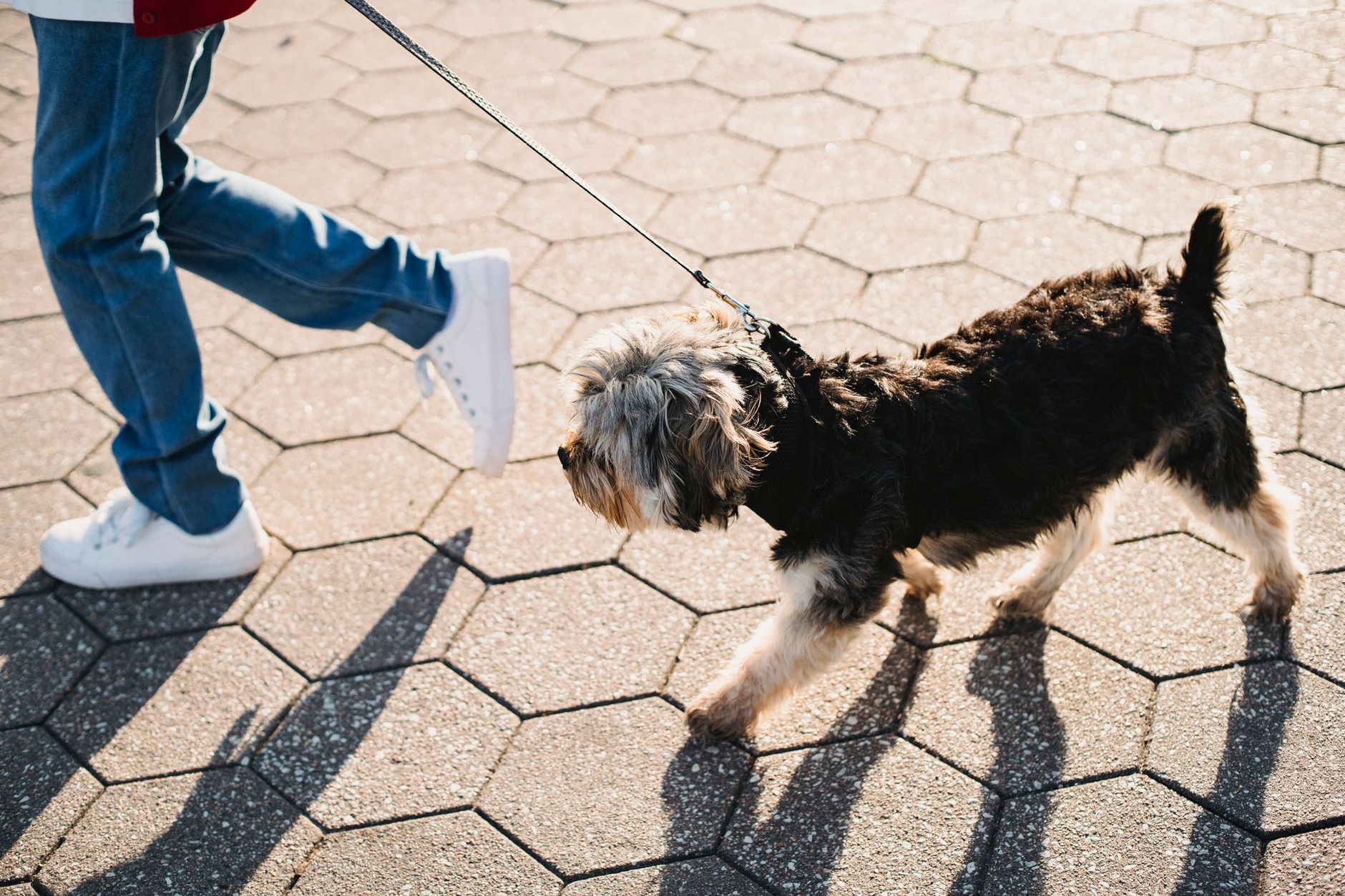
If your dog has reduced another "indestructible" toy to shreds inside ten minutes, you're not alone — and your dog isn't broken. Some dogs are simply hard-wired to chew with serious intent, and most toys sold in mainstream pet stores are built for moderate chewers at best. The good news: a small amount of knowledge about materials and rotation will save you money and keep your dog genuinely occupied.
Try This Today: The Frozen Kong Test
Before anything else, grab a rubber Kong (or similar thick-walled rubber toy), stuff it with a mix of wet food and kibble, seal the end with a smear of peanut butter (xylitol-free — always check the label), and freeze it overnight. Hand it to your dog tomorrow morning. A frozen stuffed Kong typically buys 20–40 minutes of focused chewing, and it's one of the few things that slows a power chewer down. If you don't own one yet, they're available at most Australian pet shops and online for around $20–$35 AUD depending on size.
Materials That Hold Up — and Why
Not all rubber is equal. When you're buying dog toys for heavy chewers, the material specification matters more than any marketing claim on the packaging.
Natural rubber and vulcanised rubber are the gold standard. Look for toys labelled as natural rubber or those specifying a Shore A hardness above 60. Brands like Kong (black "Extreme" range), West Paw Zogoflex, and Goughnuts are frequently recommended by vets and behaviourists for dogs that demolish softer alternatives. The Goughnuts range even has a visual safety indicator — a red inner layer that shows through if the toy has been chewed to a point where it should be replaced.
Nylon-based chews (brands like Nylabone Dura Chew) can work for some heavy chewers, though results are mixed. They're better suited as a supervised chew than a leave-alone toy, and they do shed small shavings over time — monitor your dog and discard when heavily grooved.
Rope toys generally don't survive heavy chewers and shouldn't be left unsupervised. Ingested rope fibres can cause intestinal blockages, which is a costly and serious veterinary emergency.
What to Avoid
- Squeaky plush toys: Fine for gentle dogs; for a power chewer they're a two-minute destruction exercise and the squeaker becomes a swallowing hazard.
- Cheap rubber or latex: These tear into large chunks quickly. If a toy deforms or tears under moderate pressure from your hands, it won't survive your dog.
- Real bones with splinters: Cooked bones (chicken, lamb chops) can splinter and cause gut perforations. If you want to offer a natural chew, raw beef marrow bones are a lower-risk choice — but supervise, limit sessions to 20 minutes, and avoid giving them when frozen solid, as this increases the risk of tooth fractures.
- Antlers and very hard nylon: Despite their popularity, antlers and extremely hard chews carry a real risk of slab fractures — where a large chunk of the tooth breaks away. The rule of thumb from veterinary dentists is the "thumbnail test": if you press your thumbnail firmly into the chew and it leaves no mark, it's too hard for safe chewing.
Rotating Toys to Keep Interest High
Even the best toy becomes boring within a few days. A simple rotation system solves this without spending more money.
Split your dog's toys into two or three groups. Each week, put one group away out of sight and rotate a different group out. When a toy reappears after a week or two, most dogs treat it with fresh interest — the novelty effect is real and well-documented in animal behaviour research.
For heavy chewers specifically, mix textures within each rotation: one stuffable rubber toy, one firm chew, one tug toy (if your dog enjoys tug). Variety maintains engagement and means no single toy takes a full week of punishment.
If budget is a concern, make enrichment toys from what you have at home. A muffin tin with kibble hidden under tennis balls, a cardboard box stuffed with crumpled paper and treats, or a lick mat with a smear of dog-safe peanut butter all count as valid mental stimulation and cost almost nothing.
Getting Value When Toys Don't Last Forever
Expect to spend $25–$60 AUD on a quality heavy-duty toy. That sounds like a lot until you realise cheap toys at $8–$12 that last three days cost more over a month. Buying one durable toy and supplementing with free DIY enrichment is almost always the better financial decision.
A few practical ways to stretch your budget:
- Buy direct from online retailers like PetBarn, Pet Circle, or the brand's Australian distributor — prices are often 20–30% lower than bricks-and-mortar stores.
- Check for loyalty programmes: Pet Circle and PetBarn both run subscription or repeat-delivery discounts that add up over time.
- Replace on schedule, not on destruction: Inspect toys weekly. A toy that's heavily grooved or starting to flake should go in the bin before it becomes a hazard, regardless of whether it's fully destroyed.
- Register for brand warranties: West Paw and Goughnuts both offer guarantees if a dog chews through their products — take them up on it.
Your dog's urge to chew is normal, healthy, and manageable. With the right materials in hand and a simple rotation habit, you'll spend less, stress less, and your dog will actually be more satisfied.
As an Amazon Associate we earn from qualifying purchases.
Frequently asked questions
What is the most indestructible dog toy for extreme chewers?
No toy is truly indestructible, but natural rubber toys like the Kong Extreme (black range) and Goughnuts rings come closest for most power chewers. Goughnuts even features a red safety indicator layer so you know when it's time to replace the toy. Always supervise a heavy chewer with any new toy for the first few sessions.
Are antlers safe for heavy chewing dogs?
Antlers carry a genuine risk of slab fractures — large pieces of tooth breaking away — because they're extremely hard. Most veterinary dentists recommend avoiding them for strong chewers. A safer test: if you can't make a dent in the chew with your thumbnail, it's too hard for your dog's teeth.
How do I stop my dog getting bored with the same toys?
Rotate toys in groups, swapping them out every week or two. Dogs respond to novelty, so a toy that's been out of sight for a fortnight often gets treated like something brand new. Mixing textures — rubber, tug, and a chew — within each rotation also helps maintain interest.
Can I leave a heavy chewer alone with a Kong or rubber toy?
High-quality, correctly-sized vulcanised rubber toys like the Kong Extreme are generally considered safe for unsupervised use because they don't break into sharp pieces. That said, inspect the toy regularly and retire it once chunks start coming off. Always choose a size rated for your dog's weight.
How much should I expect to spend on durable dog toys in Australia?
Quality heavy-duty toys typically run $25–$60 AUD each, which is better value than repeatedly buying cheap toys that last only a few days. Buying online through retailers like Pet Circle or PetBarn and using their subscription discounts can reduce costs by 20–30% compared to in-store prices.
Are rope toys safe for dogs that chew hard?
Rope toys are not recommended for heavy chewers. Dogs that chew intensely can unravel and swallow rope fibres, which can clump together in the intestines and cause a blockage — a serious and expensive veterinary emergency. Reserve rope toys for gentle tuggers and always supervise play.
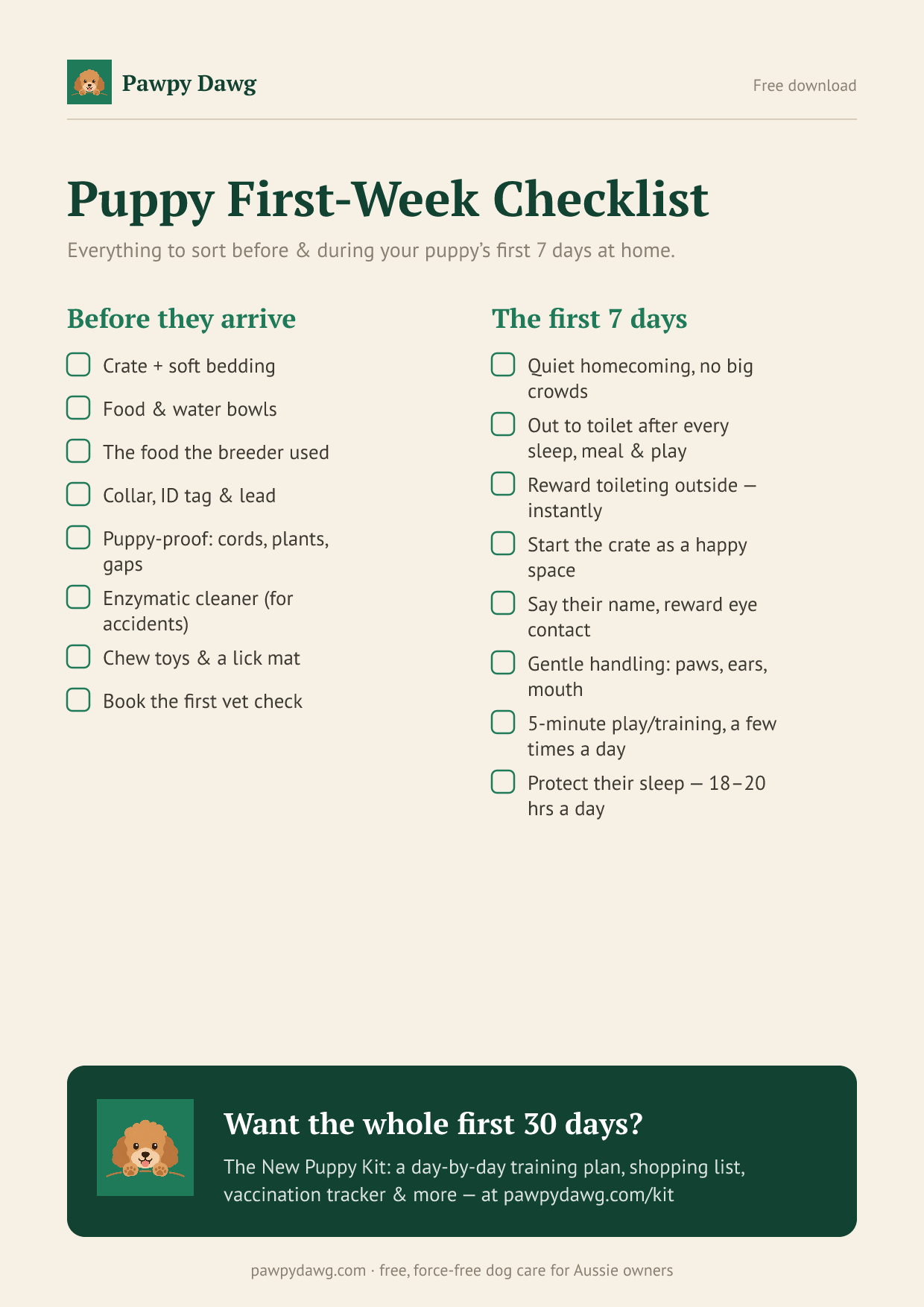
Free printable
Free: the Puppy First-Week Checklist
Everything to sort before and during your puppy's first 7 days home — a printable one-pager. Plus the occasional genuinely useful dog tip. No spam, unsubscribe anytime.
Related guides

Is Pet Insurance Worth It in Australia? The Honest Maths
Is pet insurance worth it in Australia? We crunch real premiums vs real vet bills — cruciate surgery, snake bite & more — so you can decide with confidence.
Read the guide →
How Much a Dog Really Costs Per Year in Australia (2026 Breakdown)
How much does a dog cost per year in Australia? 2026 line-item breakdown covering food, vet, insurance, grooming & the costs first-timers always miss.
Read the guide →
Dog Vaccination Schedule in Australia: What, When and What It Costs
Confused by C3, C5 and kennel cough? Here's your complete dog vaccination schedule Australia cost guide — puppy timelines, adult boosters & typical AUD prices.
Read the guide →